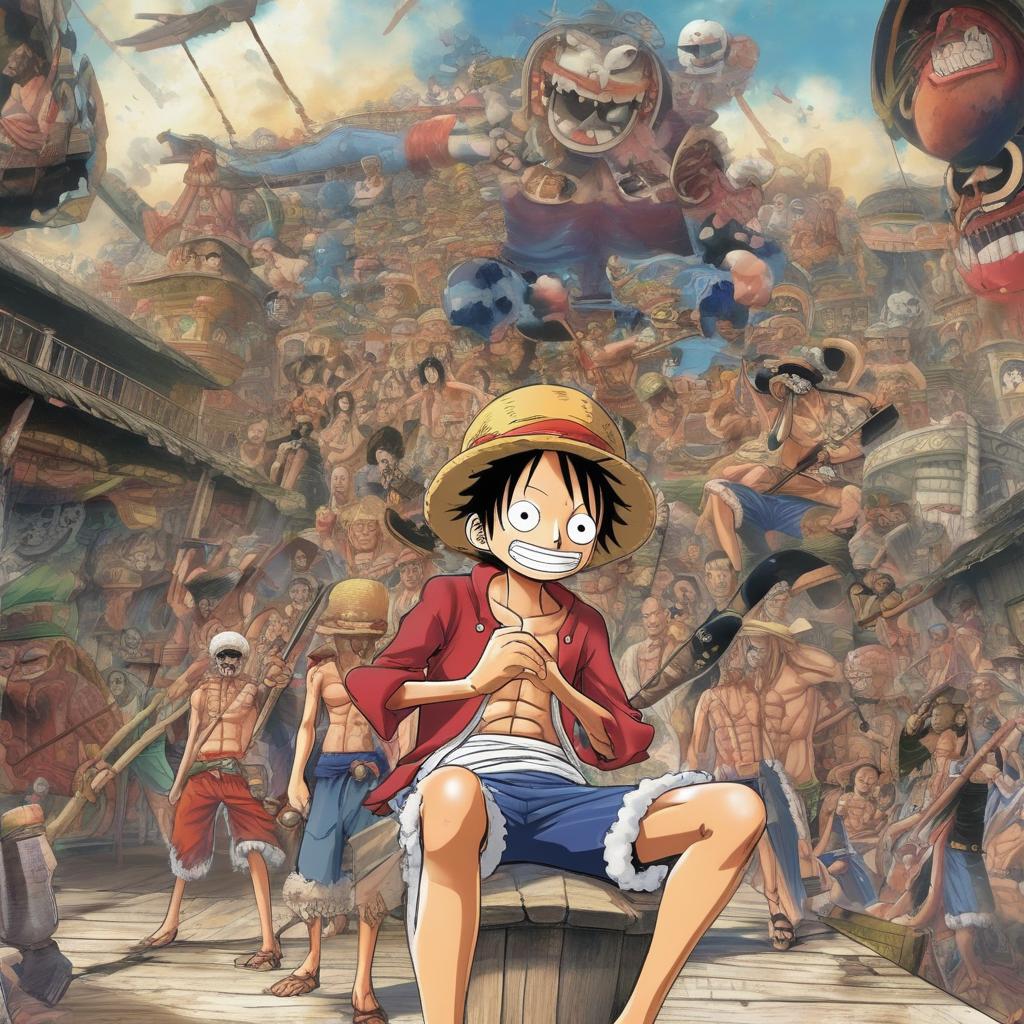
When Eiichiro Oda set sail with his ambitious manga, One Piece, in 1997, few could have imagined the monumental cultural phenomenon it would become. Bursting with vibrant characters, intricate storytelling, and profound themes, the series has etched its mark not only on the anime and manga industry but also on the hearts of millions worldwide. With over 1000 episodes and chapters, it’s more than just a tale of pirates; it’s an exploration of freedom, dreams, and the human spirit.
At its core, One Piece spins the tale of Monkey D. Luffy and his quirky crew, the Straw Hat Pirates, as they traverse the unpredictable seas of the Grand Line in search of the ultimate treasure, the eponymous One Piece. What makes Luffy’s journey remarkable isn’t merely the physical adventure; it’s about the bonds he forms along the way and the ideals he embodies. Luffy, with his unwavering determination and innocent belief in his dreams, symbolizes the essence of chasing one’s ambitions against all odds.
One of the defining aspects of One Piece is its unique approach to world-building. Oda has crafted a universe with a rich history, diverse cultures, and an extensive array of unique abilities, primarily through the infamous Devil Fruits. Each island Luffy and his crew visit is a mini-universe filled with its own quirks, challenges, and moral dilemmas, allowing for endless storytelling potential. From the bustling streets of Water 7, known for its shipbuilding prowess, to the serene ambiance of Skypiea, the series offers a tapestry of experiences that delves deep into social, political, and ethical issues.
This intricacy in world-building extends to the characters, each of whom is imbued with depth and complexity. While some series may treat characters as mere vessels for the plot, Oda ensures that even supporting characters have stories worth telling. Consider Nico Robin, whose tragic backstory as a child marked for death due to her knowledge of history sheds light on the themes of loss and the burden of knowledge. Similarly, Trafalgar D. Water Law’s tumultuous journey illustrates the consequences of revenge and the quest for personal freedom. These character arcs resonate with fans, bringing about empathy and understanding for their struggles, thus elevating the narrative beyond mere entertainment.
One Piece also serves as a critique of societal structures, particularly regarding freedom and oppression. The series portrays various forms of governance, from the tyrannical Celestial Dragons who dictate the lives of others to the noble leaders fighting for justice and equality. Oda does not shy away from addressing heavy themes, such as the value of freedom and the fight against injustice, echoing through arcs like Dressrosa and Enies Lobby. These storylines encourage viewers to reflect on their own societies and question the status quo, making One Piece not only a source of adventure but a mirror to the real world.
Another fascinating aspect of the series is its encapsulation of the importance of dreams. The ethos of ‘Inherited Will’ – passed down through generations – resonates throughout One Piece. Characters like Luffy and Gol D. Roger embody this theme, showing that while intentions may differ, the pursuit of dreams provides purpose and direction. This idea is especially poignant during key arcs, highlighting the sacrifices made for one’s goals and the connections forged through shared ambitions.
Lastly, the legacy of One Piece is not just in its narrative but in the community it has fostered over the years. Fans worldwide have come together, sharing theories, art, and discussions driven by their love for the series. This robust engagement has nurtured a diverse and passionate community, enriched further by the blend of storytelling, humor, and emotional depth that Oda masterfully weaves into his work.
As One Piece progresses toward its conclusion, one can’t help but reflect on its impact and reach. This isn’t merely a story about pirates; it’s an exploration of
