The Depths of One Piece: Exploring Fishman Island and Its Impact on the Series
As we dive deeper into the vast world of One Piece, it becomes increasingly evident that each arc adds unique layers to the grand narrative crafted by Eiichiro Oda. Among these, the Fishman Island arc stands out as not just a riveting adventure, but also as a significant chapter that addresses themes of racism, friendship, and the deep-rooted history of the One Piece universe. Let’s explore the key elements of this arc, its ramifications on the Straw Hat Pirates, and what fans can anticipate moving forward.
The Fishman Island Arc: A Synopsis
The Fishman Island arc spans episodes 517 to 574 in the anime and covers chapters 610 to 629 in the manga. This arc marks an important transition from the saga of the Sabaody Archipelago to the world of New World adventures. After enduring a two-year separation, the Straw Hat crew reunites at Sabaody and heads to the underwater realm of Fishman Island, a place filled with both wonder and complex socio-political dynamics.
Key Characters and Their Significance
#
Luffy and His Crew
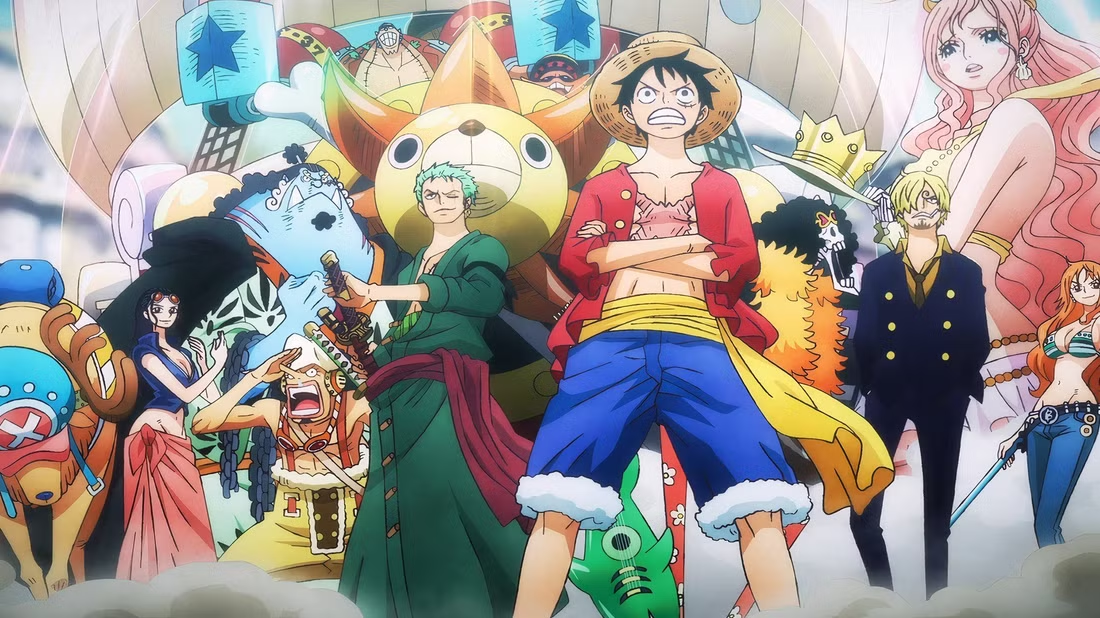
The Straw Hat Pirates’ arrival on Fishman Island sets the stage for an encounter with various factions, including the Fishman and human residents. Luffy, Zoro, Nami, and the rest of the crew are met with both hostility and friendship, symbolizing the complexities of bridging cultural divides. Luffy’s unwavering spirit and commitment to his journey encourage Fishman Island residents to rethink their prejudices.
#
Queen Otohime and Fisher Tiger
The historical backdrop of Fishman Island is punctuated by the lives of Queen Otohime and Fisher Tiger. Otohime represents the hope for peaceful coexistence between humans and Fishmen, tirelessly advocating for unity and understanding. In contrast, Fisher Tiger embodies the scars of a troubled past, reflecting a more rebellious response to systemic oppression. The dichotomy between these characters highlights the broader conversation about racism and the importance of reconciliation.
Themes Explored in Fishman Island
#
Racism and Acceptance
At its core, the Fishman Island arc addresses racism—a prevalent theme that surfaces through the relationships between humans and Fishmen. The stigma and discrimination faced by Fishmen forge a commentary on societal issues, mirroring real-life challenges. Each encounter serves as a critical narrative tool, provoking dialogue on tolerance, empathy, and acceptance.
#
Friendship and Trust
Throughout the arc, Luffy builds trust with the Fishmen, demonstrating the power of friendship. His actions speak louder than words, as he defends the island’s inhabitants not just against external threats, but also from their own prejudices. Luffy’s adventure showcases how bonds can transcend deep-seated hatred and fear, suggesting that friendship can be a conduit for healing historical wounds.
The Grand Design: Fishman Island’s Role in the One Piece Narrative
The Fishman Island arc doesn’t merely exist as a standalone story; it lays the groundwork for future conflicts, alliances, and overarching mysteries in the series. The introduction of characters such as Hody Jones and the New Fishman Pirates foreshadows imminent clashes with the Straw Hats, elevating the stakes for subsequent adventures.
The Poneglyph Connection
A crucial aspect of the Fishman Island arc is the introduction of the Poneglyphs, ancient stones that house valuable knowledge about the Void Century and the One Piece itself. Nico Robin’s quest for the truth deepens during this arc, suggesting that Fishman Island is not just a social backdrop but a stepping stone towards uncovering critical history that could reshape the world. Fans are left pondering: What lies ahead for Robin and the other Straw Hats as they encounter more Poneglyphs?
Predictions and Theories for Future Arcs
Given that the Fishman Island arc has significant implications for the narrative, it is natural for fans to speculate about the directions the story may take. Some theories suggest that the unresolved tensions between humans and Fishmen will resurface, especially with the rise of new figures aiming to exploit these divisions.
#
The Reemergence of Fisher Tiger’s Ideals
Fans have theorized that eventual conflicts may arise from factions within the Fishman community itself, particularly those who resonate with Fisher Tiger’s ideology. Given the ongoing societal struggles in the One Piece world, the narrative could see a resurgence of extremist groups challenging the peace Otohime fought for.
#
The Role of Joy Boy
Another tantalizing possibility revolves around Joy Boy—a historical figure whose legacy plays a crucial role in Fishman Island’s history. As Luffy continues his quest towards Raftel, some fans theorize that Joy Boy’s secrets are intrinsically tied to both the fate of Fishman Island and the unity between races in the New World.
Conclusion: The Legacy of Fishman Island
The Fishman Island arc captures the essence of One Piece: an extraordinary adventure intertwined with profound themes. From exploring systemic racism to fostering friendships that bridge cultural divides, this arc resonates with audiences and contributes to the series’ legacy. As Luffy and his crew set their sights on the future, the implications of their experiences in Fishman Island will have lasting effects on their journey.
Fan Discussion Question
What do you think will be the long-term repercussions of the events on Fishman Island as the Straw Hats continue their journey in the New World? Share your thoughts and theories in the comments below!
—

Thank you for your sharing. I am worried that I lack creative ideas. It is your article that makes me full of hope. Thank you. But, I have a question, can you help me?